
Holiday Cyber Fraud: Why Scams Spike During the Holidays and How to Stay Protected

The Critical Importance of Internet Security in the Digital Age
August 25, 2025
Workplace Technology in 2026: Smarter, Automated, and Connected Tools
January 16, 2026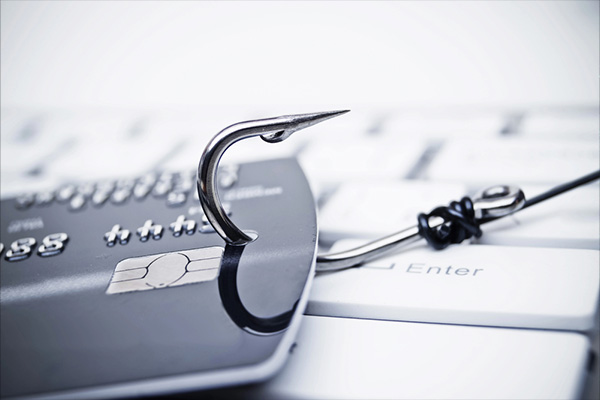
The holiday season is a time for family, generosity, and celebration. Unfortunately, it is also one of the busiest times of year for cybercriminals.
Every year, email fraud, phishing attempts, and online scams increase dramatically between November and January. Attackers know people are shopping online, tracking packages, and moving quickly. They take advantage of distraction and urgency to slip fraudulent messages into inboxes that already feel overwhelming.
In this blog, we uncover why holiday fraud spikes and what to watch out for, all to ensure your data, finances, and business are secure.
Why Cyber Fraud Increases During the Holidays

Increased Online Activity
The sheer volume of online transactions and package deliveries provides cover for illicit activity. Fraudulent messages blend in with legitimate notifications that people are expecting.
Urgency and Distraction
Shoppers are often busy and distracted, making them more likely to fall for “limited-time” offers or urgent delivery notifications that pressure them to click links without thinking.
Increased Financial Vulnerability
Scammers know people are spending saved-up money and are more vulnerable to attractive deals or donation requests during the season of giving.
More Sophisticated Scams
Attackers use AI to create convincing fake e-commerce websites and highly realistic phishing emails that are harder to detect than ever before.
Common Holiday Email Scams to Watch For
- Fake Delivery Alerts: Emails or texts claiming a package is delayed and requiring you to click a link to reschedule delivery or provide payment.
- Gift Card Requests: Messages that appear to come from a supervisor, colleague, or friend asking you to urgently purchase gift cards for them.
- Phony Charities: Scammers create fake emails and websites for charitable donations, preying on people’s generosity around the holidays.
- Fake Order Confirmations: Emails that look like legitimate receipts from major retailers, which include links to a phishing site if the recipient tries to “cancel” or “track” the order.
How to Protect Yourself and Your Organization

Slow Down
Don’t let a sense of urgency pressure you into making a rushed decision.
Verify the Sender
If an email seems suspicious, check the sender’s email address for slight alterations or reach out to the company/person directly using trusted contact information, not the information provided in the suspicious email.
Avoid Unexpected Links
Hover your mouse over a link to preview the URL before clicking, or better yet, type the website address directly into your browser to verify a deal or order status.
Report Suspicious Messages
If you spot a suspicious message, report it immediately to help prevent others from being targeted. You can report fraud to the FTC on its website or the FBI’s Internet Crime Complaint Center.
Staying Secure Beyond the Holidays
Holiday scams are a reminder that cybersecurity is not seasonal. The same awareness and protections that keep you safe in December should be in place year-round.
At SingularisIT, we help businesses strengthen email security, monitor threats, and build systems designed to prevent small mistakes from becoming major incidents. Awareness is the first layer of defense, but strong infrastructure and proactive monitoring make the difference when threats slip through.
Staying alert today helps ensure a safer, more secure year ahead.